
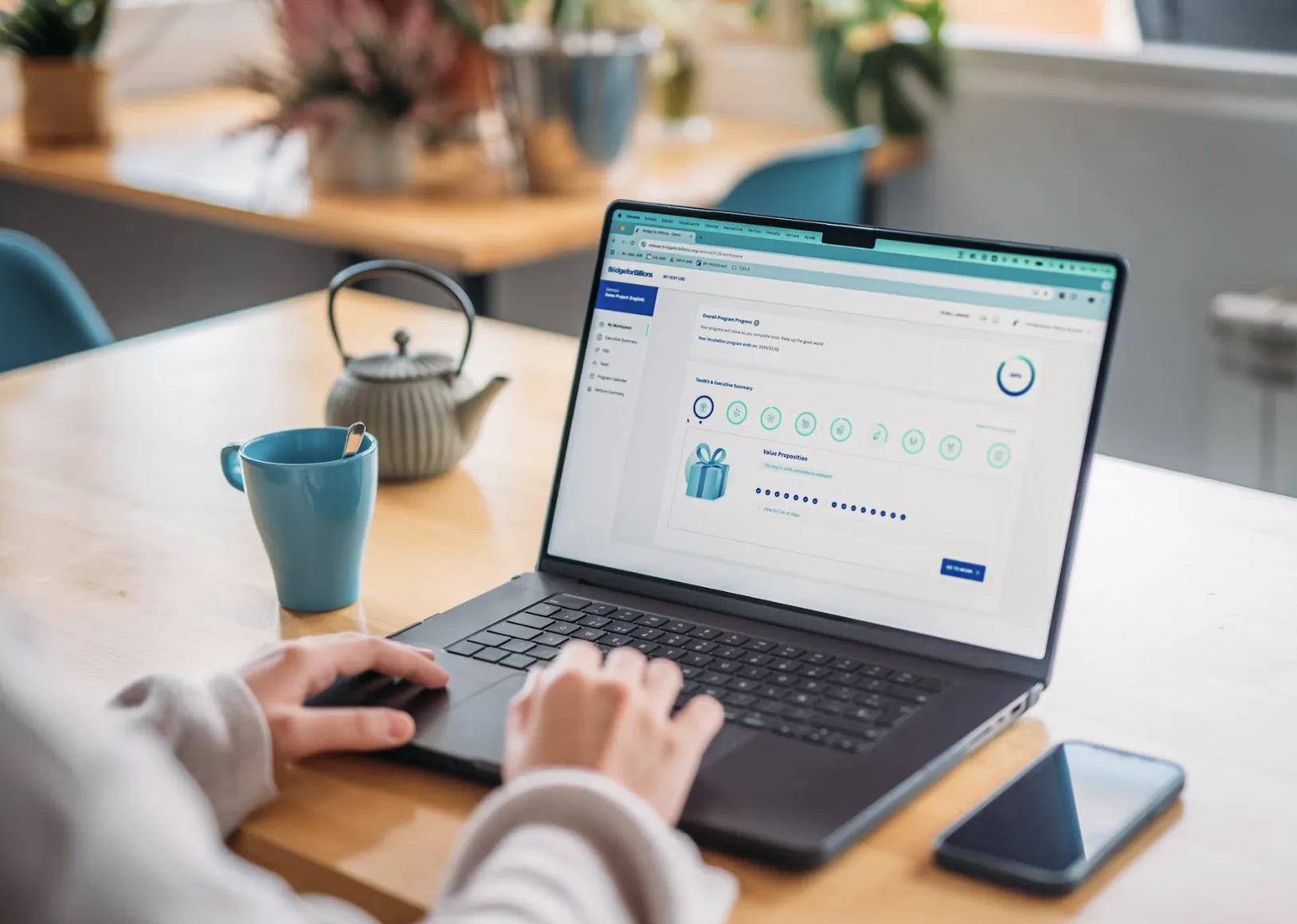
That sounds harsh, but it is true.
A dashboard can have beautiful cards, soft colors, clean charts, and perfect spacing, but if it does not help you understand what is happening or what to do next, it is only decoration.
At Simplyyy Systems, we believe product design should go deeper than the first impression.
A useful system does not start with "what can we display?"
It starts with better questions:
- What does the user need to track?
- What decisions do they need to make?
- What information should stay visible?
- What can stay hidden until it matters?
- What usually gets forgotten?
- Where does the workflow get messy?
A useful dashboard should help the user see what matters faster.
For example, a freelancer does not just need a list of clients. They need to know which projects are active, which proposals need follow-up, which payments are pending, and which deadlines are coming up.
A digital product seller does not just need a product list. They need to know which ideas are still in planning, which products are ready to launch, which listings need updates, and which content supports each offer.
A team does not just need a tracker. They need clear ownership, current status, next steps, and a way to understand what is falling through the cracks.
That is the difference between a pretty dashboard and a useful system.
A pretty dashboard displays information. A useful system helps people work with it.
This is why structure matters. Names matter. Categories matter. Statuses matter. The way records connect matters. The order of sections matters.
Good design is not just how the product looks. It is how much thinking the user does not have to do because the system already supports the workflow.
That does not mean everything needs to be complex. In fact, the best systems usually feel simple on the surface. But underneath that simplicity, there should be logic.
The user should be able to open the product and understand where to begin. They should be able to return days later and know where things belong. They should be able to answer real questions without digging through five places.
That is what we design for.
Not dashboards that only look good in screenshots.
Systems that still make sense on an ordinary Tuesday when there is actual work to do.